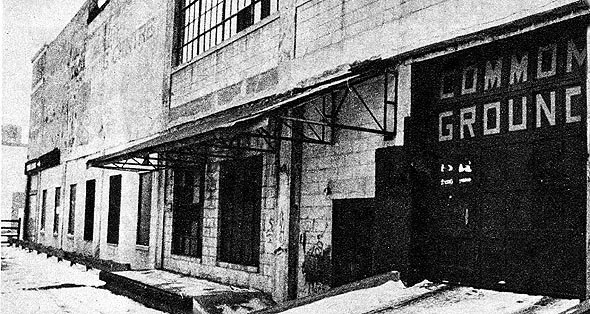
The Art of the Cass Corridor: Detroit’s Forgotten Creative Movement
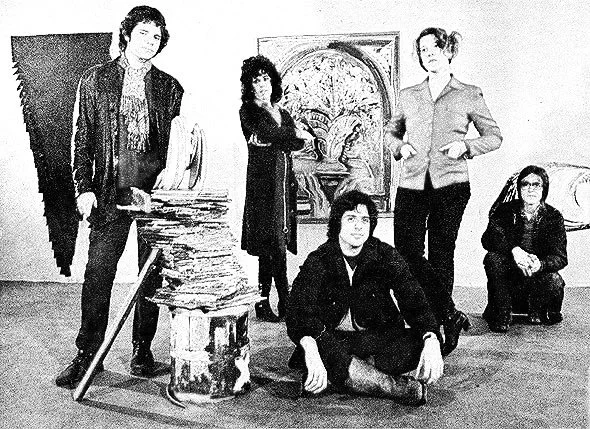
The Cass Corridor movement, emerging from the socio-economic struggles of Detroit in the late 20th century, represents a unique confluence of resilience, rebellion, and artistry. With many of the original artists, patrons, and supporters aging, there is an urgent need to document their stories and ensure their contributions are not lost to history.
The movement was not an isolated phenomenon. It resonated with and contributed to broader artistic trends, including assemblage art, conceptualism, and the punk ethos that characterized global countercultural movements. By telling this story, the project situates Detroit in its rightful place within the tapestry of modern art history.


Preserving the Story of Detroit’s Most Defiant Art Movement
The Socio-Economic Forces
Detroit's economic decline, particularly post-industrial shifts in the 20th century, created a landscape of hardship and resilience. The city’s struggles, including widespread poverty and urban decay, influenced the Cass Corridor artists' choice of materials and themes, often reflecting a salvaging ethos.
The Cultural Influences
Detroit's vibrant music scene (Motown and later punk) and its history as a working-class hub fostered an environment ripe for grassroots creativity. The artists drew inspiration from their immediate surroundings, repurposing discarded objects and urban debris into art that embodied their environment's challenges and raw beauty.
The Creative Impetus
The socio-economic and cultural conditions shaped a movement that thrived on community collaboration, innovation, and a defiance of mainstream artistic norms.These dynamics acted as catalysts, giving birth to a movement that was as much about survival as it was about artistic expression.
Get closer to the story and be there when it surfaces.